Wind Power, Energy Storage & Green Hydrogen Ecosystem – Solving Wind Fluctuation and Curtailment Challenges
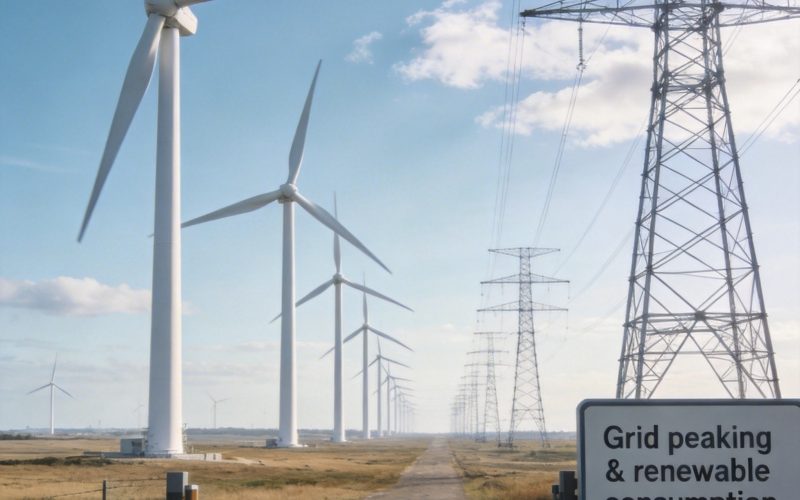
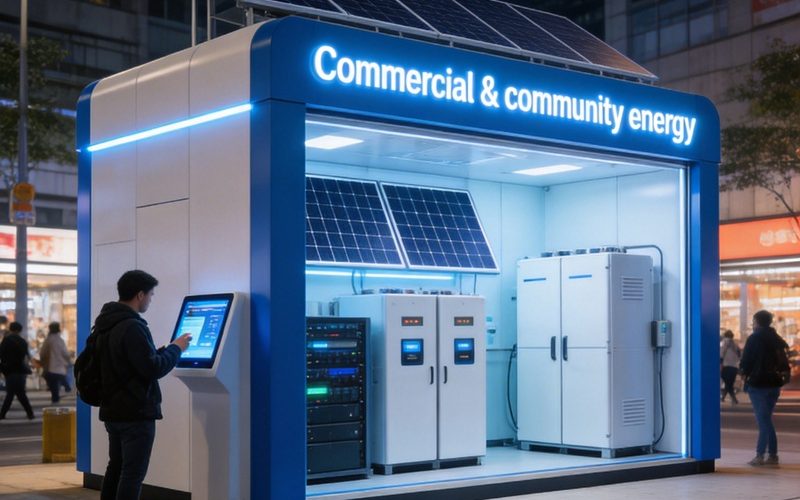
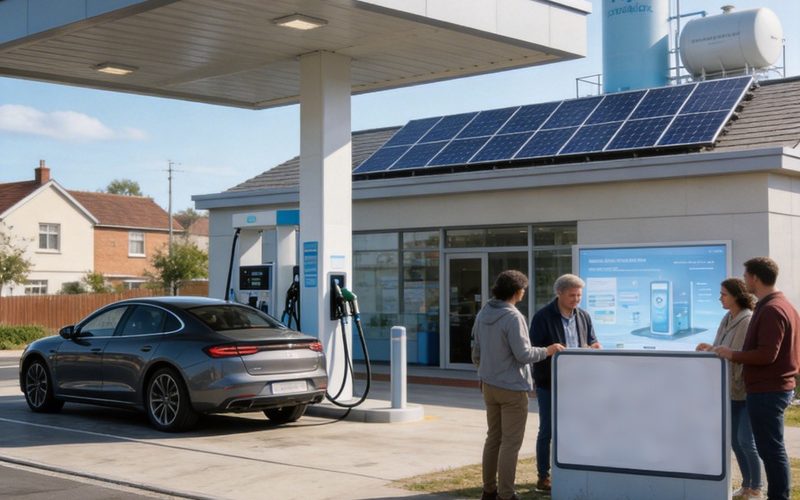
The Wind-Storage-Hydrogen system organically integrates wind power generation, short-term energy storage, and green hydrogen production, effectively solving the three core challenges of wind power: high fluctuation, instability, and difficulty in consumption. Wind power directly supplies the grid as a priority; battery storage provides millisecond response to smooth power fluctuations and deliver frequency regulation and voltage support; surplus wind power drives electrolysis for hydrogen production, converting curtailed wind into storable chemical energy. The stored hydrogen can be used for subsequent power generation, industrial hydrogen, civil fuel, transportation fuel, and more. The system is suitable for onshore wind, offshore wind, distributed wind stations, and large-scale wind bases. Future comprehensive conversion efficiency can reach 40–70–90% (fuel cell power/CHP/waste heat recovery). The Wind-Storage-Hydrogen solution significantly improves wind project economics and grid friendliness, representing a key technical pathway for achieving high-proportion renewable energy integration.
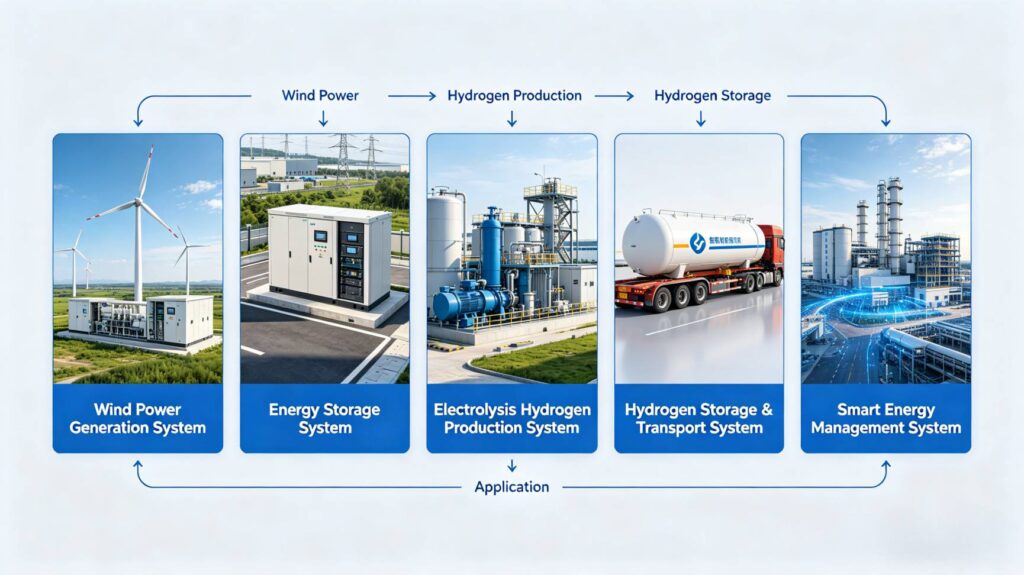
1.Wind Power Generation System: Onshore/offshore wind turbines, single-unit capacity 3MW–15MW, adaptable to various wind resource conditions
2.Energy Storage System: Lithium/flow batteries, millisecond response, smoothing minute-to-hour power fluctuations, providing primary/secondary frequency regulation
3.Electrolysis Hydrogen Production System: PEM or alkaline electrolyzers with strong dynamic response capability, adapting to wind power variability
4.Hydrogen Storage & Transport System: High-pressure storage (35MPa/70MPa), liquid hydrogen, or solid-state storage, with supporting transport and refueling facilities
5.Smart Energy Management System: EMS coordination platform integrating wind power forecasting, storage dispatching, and hydrogen production control to maximize green power consumption
| Parameter Specification | Description |
|---|---|
| Short-Term Regulation | Battery storage, millisecond-to-minute response, frequency regulation, voltage support, black-start |
| Long-Term Storage | Hydrogen, days-to-weeks-to-seasons, scalable to TWh level |
| Turbine Compatibility | Onshore wind, offshore wind, distributed wind (3MW–15MW units) |
| Electrolysis Efficiency | 55%–70% (depending on technology, LHV basis) |
| Hydrogen Storage Efficiency | 95%+ (compressed/liquid/solid-state) |
| Fuel Cell Power Efficiency | 40%–60% |
| CHP Efficiency (with heat recovery) | 70%–90% |
| Curtailment Reduction | Increases renewable consumption rate to 95%+ |
| Carbon Reduction | Significant reduction vs. fossil-based power |
Millisecond battery response, improving grid integration quality, reducing grid impact
Hydrogen enables days-to-seasons storage, scalable to TWh level
Four outputs: power, hydrogen, heat, transport fuel – diversifying project revenue