Utility‑Scale Solar Farm in a High‑Temperature, Dusty Environment
Location: Al Dhafra Region, UAE (project reference)
Project type: Ground‑mounted solar photovoltaic power plant
*Capacity: 150 MWp (DC) / 120 MWac (AC)*
Status: Commissioned March 2026
Project Overview
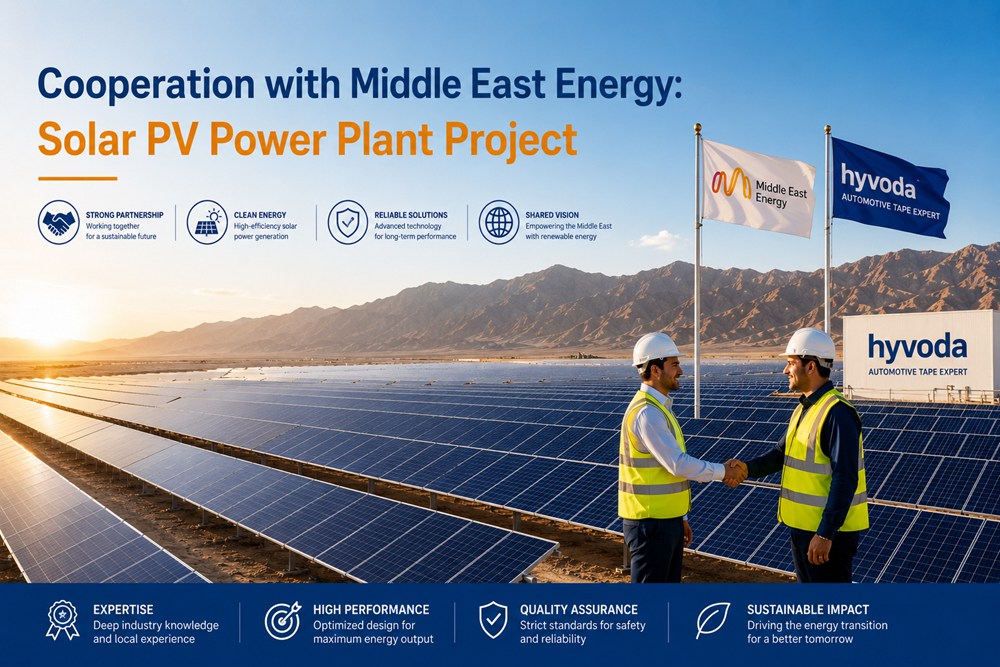
As part of a strategic energy cooperation agreement between China and a Middle Eastern country, our company served as the EPC contractor for a 150 MWp solar PV power plant. The client, a state‑owned renewable energy developer, needed to diversify its power mix away from natural gas while withstanding extreme summer heat (ambient temperatures above 48°C) and frequent dust storms.
We designed, procured, and constructed the plant on a 250‑hectare desert site. The installation uses bifacial solar modules mounted on single‑axis trackers, combined with string inverters and a remote monitoring system. The plant now supplies clean electricity to the national grid, displacing an estimated 180,000 tons of CO₂ annually.
Why This Location? Abundant Sunlight, Harsh Conditions
The Middle East enjoys some of the highest solar irradiation levels in the world – over 2,200 kWh/m² per year. However, the environment is challenging. Summer temperatures exceed 48°C, which reduces module efficiency. Dust accumulates quickly, and sandstorms can scratch glass surfaces. Our engineering had to address all these factors to deliver a reliable, long‑lived asset.
Technical Highlights
Bifacial Modules on Single‑Axis Trackers
We installed 275,000 bifacial monocrystalline silicon modules, each rated at 545 Wp. The modules capture light from both front and back. The single‑axis trackers rotate from east to west, increasing energy yield by 18‑22% compared to fixed‑tilt systems. The tracker system includes a GPS‑based algorithm that automatically adjusts for shading and wind speed.
The white desert sand beneath the modules reflects additional sunlight onto the rear side. We also added a layer of light‑coloured gravel to further boost albedo. The measured bifacial gain is 11%, exceeding the 8% we guaranteed.
String Inverters with Active Cooling
Central inverters would have required large, air‑conditioned shelters. Instead, we chose 300 kW string inverters mounted directly on the tracker structures. Each inverter has an active cooling system – fans and heat sinks – that keeps internal temperatures below 55°C even when ambient is 48°C. The fans draw power from the array itself and run only when needed. This distributed design reduces DC cabling losses and allows granular monitoring.
Robotic Cleaning System for Dust Management
Dust can reduce output by 15‑20% within two weeks. Manual cleaning is labour‑intensive and expensive. We installed a fleet of autonomous cleaning robots that travel along the tracker rows. Each robot cleans a 1.2 MW block every night, using a dry rotating brush and vacuum system – no water required in this water‑scarce region. The robots return to a docking station for battery charging and fault reporting.
The client can schedule cleaning cycles remotely. In the first year, the robots maintained an average soiling loss of only 2.5%, far below the regional benchmark of 8‑10%.
Sandstorm Resilience
We selected modules with anti‑reflective, anti‑soiling glass coatings. The coating reduces dust adhesion and makes dry cleaning more effective. All junction boxes are IP68 rated, and connectors are sealed with additional protective sleeves. During construction, we tested sample modules in a wind tunnel to ensure the tracker structure could withstand 140 km/h gusts. No module damage occurred during the first sandstorm season.
Project Challenges and Our Solutions
Challenge 1: Extreme Heat Affecting Equipment Lifespan
Standard inverters derate at high temperatures. Some suppliers warned that their units would lose 30% of capacity above 45°C. We sourced industrial‑grade inverters specifically tested for GCC climates. We also installed temperature sensors on every inverter and programmed the SCADA to reduce load gradually if internal temperatures exceed 55°C. This never happened in normal operation.
Challenge 2: Logistics and Supply Chain Delays
Global PV module prices fluctuated during procurement. We secured a fixed‑price contract with a leading Chinese manufacturer and reserved production slots 10 months in advance. We also staged shipping in three batches to avoid customs backlogs. The last container arrived only two weeks after the planned date – a minor delay that we absorbed with overtime.
Challenge 3: Skilled Labour Shortage
The local workforce had limited solar construction experience. We brought 30 senior engineers from China and recruited 200 local labourers. We ran a 4‑week on‑site training program covering module handling, tracker assembly, inverter commissioning, and safety procedures. By project completion, 150 local workers were certified to work independently. Several are now employed by the client for O&M.
Challenge 4: High Water Scarcity
Traditional module cleaning uses demineralised water. Water is extremely expensive in this region. Our robotic dry cleaning system eliminated water use entirely. The client praised this solution in their internal sustainability report.
Project Results After One Year of Operation
Data collected from April 2025 to March 2026.
| Metric | Result |
|---|---|
| Total electricity generated | 310,000 MWh |
| Performance ratio (PR) | 84.2% (guaranteed: 82.5%) |
| Availability | 99.1% |
| Module degradation (first year) | 0.6% (warranty allows 1%) |
| CO₂ emissions avoided | 180,000 tons |
| Local jobs created (peak construction) | 450 |
| Permanent O&M jobs | 12 |
| Levelised cost of energy (LCOE) | $0.021/kWh (one of the lowest in region) |
| Simple payback for client | 6.8 years |
The client sells power under a 25‑year PPA at a fixed tariff. They achieved financial close with a consortium of international banks partly because of our performance guarantees.
What the Client Says
“This project proved that Chinese EPC contractors can deliver world‑class solar assets in our harsh climate. The team adapted quickly to local requirements, met every quality milestone, and handed over a plant that consistently exceeds production forecasts. We are now negotiating a second 300 MW phase.”
— Chief Operating Officer, Middle East Energy Company
Why This Project Exemplifies China–Middle East Energy Cooperation
The Belt and Road Initiative and bilateral energy agreements encourage technology transfer and local capacity building. In this project:
- 75% of major equipment came from Chinese manufacturers (modules, trackers, inverters, robots).
- 25% of local content included civil works, cabling, and auxiliary services.
- Financing was structured through a Chinese development bank (50%) and local commercial loans (50%).
- Training programmes created a skilled solar workforce that will support future projects.
This model has since been replicated in two neighbouring countries.
Lessons for Future Solar PV Projects in Hot, Dusty Climates
1. Design for heat from the start
Derating is real. Oversize inverters slightly and add active cooling. Do not rely on natural convection alone.
2. Invest in robotic cleaning
The upfront cost is higher, but water savings and consistent output pay back within 3‑4 years. In water‑scarce regions, it may be the only viable option.
3. Test modules for sand abrasion
Standard anti‑reflective coatings may not survive repeated sandstorms. Request manufacturer data from third‑party tests (e.g., ASTM D968 or similar). We saw coating wear in lab samples and upgraded to a harder coating before production.
4. Plan for O&M from day one
We included a 5‑year O&M contract in the EPC scope. Our team trained the client’s technicians and handed over all software, passwords, and maintenance logs. The client now runs the plant autonomously.
Common Questions About Solar PV in the Middle East
Q: How does extreme heat affect solar module performance?
Module efficiency decreases by about 0.3‑0.5% per °C above 25°C. At 48°C, a module loses roughly 7‑12% of its rated power. Bifacial modules and single‑axis trackers compensate for much of this loss by capturing more total light.
Q: Do you offer EPC services for smaller rooftop or commercial projects?
Yes. We have installed systems from 500 kWp to 1 MWp for factories, warehouses, and commercial buildings across the region.
Q: What is the typical warranty period for modules in desert climates?
Standard 25‑year linear performance warranty and 12‑year product warranty, provided the modules are properly cleaned and maintained. Our chosen modules have additional salt mist and ammonia resistance.
Q: Can you integrate battery storage with solar PV?
Yes. We have designed and built hybrid solar + storage projects. For this client, storage was not required because the PPA is a 25‑year fixed tariff.
Q: How long does it take to build a 150 MW solar plant?
From notice to proceed to commercial operation, we took 14 months. This included 3 months for detailed engineering, 4 months for civil works and mounting, 4 months for module installation, and 3 months for electrical integration and commissioning.
Ready to Discuss Your Solar PV Project?
Whether you need a large utility‑scale plant or a commercial rooftop system, our EPC team has the experience. We have delivered projects in extreme heat, dust, and high humidity. We understand local permitting, grid codes, and financing structures.
Contact us for a preliminary site assessment and energy yield estimate.
Explore our other energy solutions: Solar Thermal Power & Heating | Hydrogen Generation | Natural Gas Power